
Proton Therapy Center in South China
The Proton Therapy Center at Concord Cancer Center in Guangzhou provides advanced proton therapy evaluation and treatment support for selected cancer patients. The center combines proton radiotherapy technology, oncology expertise, treatment planning, image guidance, and international patient services to help patients understand whether proton therapy may be appropriate for their diagnosis.
Advanced Proton Therapy Technology
Concord Cancer Center uses Varian ProBeam proton therapy technology to support precise cancer radiotherapy. Proton therapy may help reduce unnecessary radiation exposure to nearby healthy tissue and organs for selected patients, especially when tumors are close to sensitive structures. Treatment planning is individualized and based on diagnosis, imaging, tumor location, previous treatments, and clinical goals.
What Makes a Proton Therapy Center Important for Cancer Patients?
A proton therapy center is more than a treatment machine. Patients need multidisciplinary evaluation, accurate imaging, immobilization and simulation, treatment planning, quality assurance, daily treatment delivery, and follow-up. These steps help the oncology team decide whether proton therapy offers a meaningful advantage compared with other radiation options.
Cancers That May Be Evaluated for Proton Therapy
Proton therapy may be discussed for selected cancers where precision is important or where reducing dose to nearby healthy tissue may matter. Suitability is not based on cancer type alone; each patient requires medical review.
- Head and neck cancers
- Brain tumors
- Breast cancer
- Prostate cancer
- Liver cancer
- Lung cancer
- Pediatric tumors
- Bone and soft tissue sarcomas
Support for International Patients
International patients may submit medical records, imaging, pathology reports, and previous treatment history for preliminary review before traveling to Guangzhou. This helps the medical team understand the case and provide guidance on appointment scheduling, treatment evaluation, and next steps.
Frequently Asked Questions About the Proton Therapy Center
Where is Concord Cancer Center's Proton Therapy Center located?
Concord Cancer Center's Proton Therapy Center is located in Guangzhou, Guangdong Province, China, and provides proton therapy evaluation and treatment support for selected cancer patients.
What proton therapy system does the center use?
The center uses Varian ProBeam proton therapy technology, including advanced treatment planning, image guidance, and precision dose delivery for selected patients.
What cancers may be evaluated at the Proton Therapy Center?
Patients with cancers such as head and neck cancers, brain tumors, breast cancer, prostate cancer, liver cancer, lung cancer, pediatric tumors, and sarcomas may be evaluated. Suitability depends on individual medical review.
Can international patients request proton therapy evaluation before traveling?
Yes. International patients can submit medical records and imaging for preliminary review before traveling, helping the team determine whether proton therapy evaluation may be appropriate.
Is proton therapy suitable for every cancer patient?
No. Proton therapy is considered for selected patients. The decision depends on diagnosis, tumor location, stage, prior treatment, and whether proton therapy offers a meaningful advantage over other options.
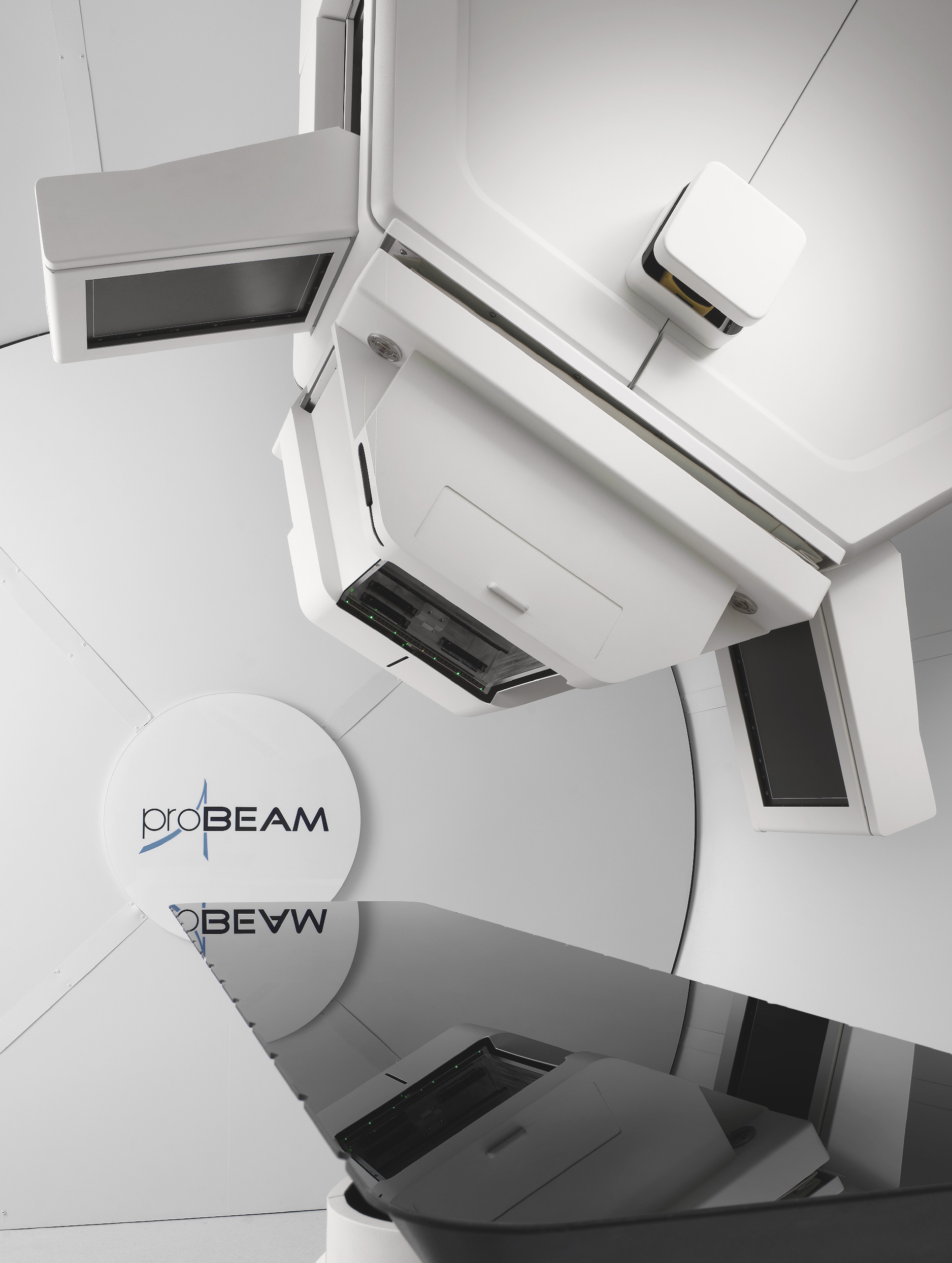
Pioneer in Proton Therapy in South China
The Proton Center at Guangzhou Concord Cancer Center has introduced the first Varian ProBeam proton radiotherapy system in South China, marking the region's entry into the era of proton therapy for cancer treatment. The center is equipped with four 360° rotating gantry treatment rooms, utilizing advanced pencil beam scanning technology to deliver Intensity-Modulated Proton Therapy (IMPT). This technology achieves highly conformal target coverage and dose distribution, significantly reducing radiation exposure to healthy tissues and organs. Additionally, the system integrates Cone-Beam Computed Tomography (CBCT) for precise patient positioning during treatment, enabling Image-guided Proton Therapy (IGPT) to further enhance accuracy and safety.

Standardized and Comprehensive Treatment System
The radiotherapy team at Guangzhou Concord Cancer Center collaborates closely with multidisciplinary teams, including medical oncology and surgery, to develop personalized treatment plans for each patient. These plans adhere to international and domestic guidelines such as the NCCN and CSCO, ensuring evidence-based and standardized care. Proton therapy is integrated into comprehensive treatment strategies, supported by expert opinions from multiple disciplines. The hospital places great emphasis on respecting the individual needs of patients and their families, encouraging their active participation in treatment discussions and decision-making.

One-Stop, High-Quality Service
Guided by the principle of "patient-first" care, our case managers offer one-on-one assistance to patients, streamlining the medical process and treatment arrangements. Furthermore, the Center leverages its extensive network of domestic and international medical institutions and experts to deliver and meeting the diverse needs of patients.
International Standards, Domestic Leadership
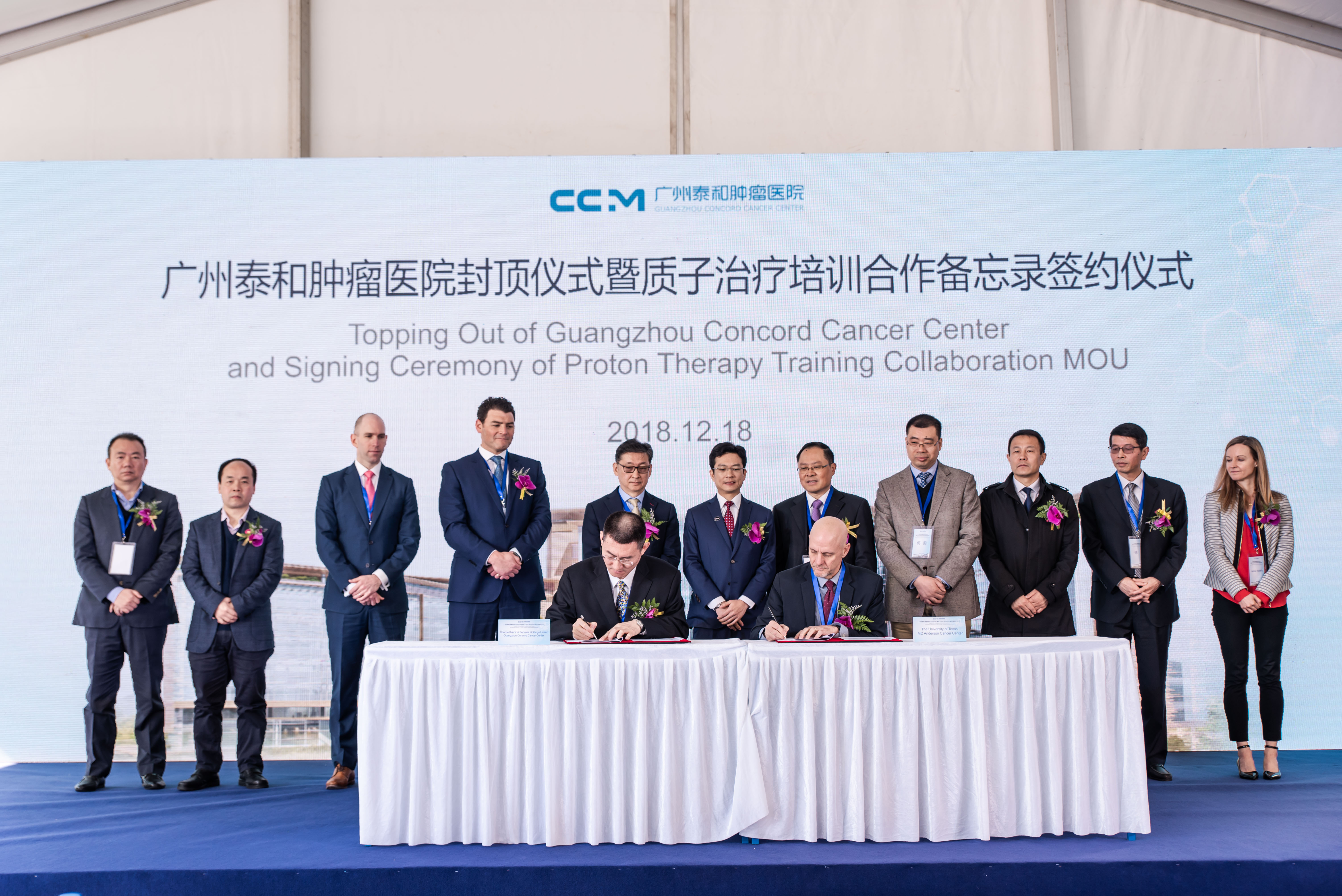
On December 18 2018, Dr. Stephen Hahn, then Executive Dean and Chief Operating Officer of MD Anderson Cancer Center and the 24th Commissioner of the U.S. FDA, represented MD Anderson Cancer Center in signing a proton therapy training agreement with Guangzhou Concord Cancer Center.
The Proton Center at Guangzhou Concord Cancer Center is a treatment facility constructed and operated in accordance with international medical institution standards, supported by the MD Anderson Cancer Center and Mayo Clinic.
Treatment Plans Guided by International Standards
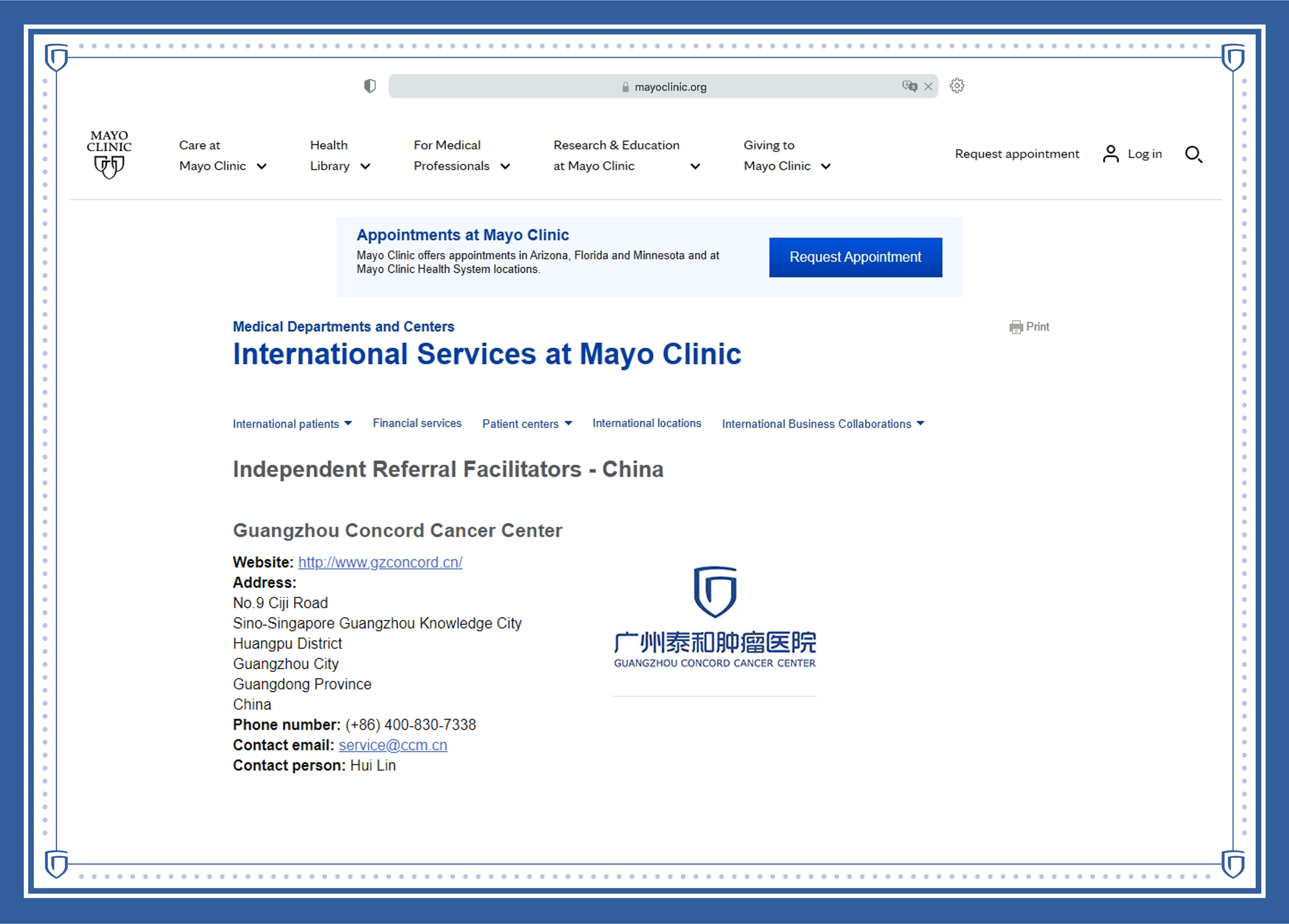
The Proton Center at Guangzhou Concord Cancer Center strictly adheres to the radiotherapy guidelines and standard procedures of MD Anderson Cancer Center, integrating the NCCN Clinical Practice Guidelines and domestic CSCO guidelines to provide patients with scientifically grounded cancer radiotherapy plans. Through its telemedicine collaboration network with Mayo Clinic, patients can access comprehensive diagnostic and treatment opinions from internationally renowned experts.
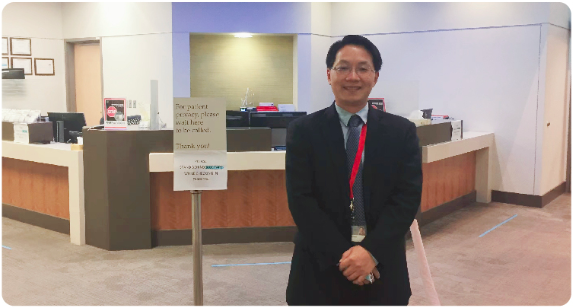
Professional Team with International Background
The Proton Center at Guangzhou Concord Cancer has a global team of medical experts. The core team members have extensive experience working or training at top-tier international medical institutions and have contributed to the development of domestic guidelines and medical textbooks. The Proton Center team also emphasizes international academic exchanges and training, such as regularly organizing academic seminars with MD Anderson Cancer Center and facilitating professional training programs at MD Anderson Cancer Center and Mayo Clinic.
Internationally Renowned Proton Therapy Equipment
The hospital is equipped with the latest-generation Varian ProBeam proton therapy system. As a globally leading proton therapy system, ProBeam offers fully integrated Intensity-modulated Proton Therapy (IMPT). Its standout features include a superconducting cyclotron, 360° rotating gantry, and high-speed pencil beam scanning, making it one of the most advanced proton therapy systems available today.
Patient Support and Education Following International Guidelines
Built to meet JCI (Joint Commission International) standards, our Center adopts a global perspective, integrating international and domestic medical norms and philosophies to create a personalized healthcare environment and process for patients and their families, delivering a high-quality medical experience.
The medical team conducts comprehensive and systematic evaluations for each patient, developing personalized health management plans. They closely monitor side effects and physiological changes during treatment, providing timely assessments and effective interventions to optimize treatment outcomes. After radiotherapy, the team offers one-on-one follow-up care, tailoring post-treatment rehabilitation support based on the patient’s condition and recovery progress. Holistic care for patients include guidance on nutrition, skin care, psychological counseling, and side effect management.
Expert Team of the Proton Center
The Proton Center is led by Professor Fu Shen, the Group's Chief Radiotherapy Expert (formerly the Inaugural Director of the Radiotherapy Department at the Shanghai Proton and Heavy Ion Center/Fudan University Shanghai Cancer Center), is one of China's pioneering experts in the clinical application of proton and heavy ion technology. The team also includes Professor Li Zuofeng, the Group's Chief Proton Physicist (previously the Director of Physics at the University of Florida Proton Therapy Center), and Professor Zheng Yuanshui, the Group's Deputy Director of Physics (formerly the Chief Physicist in the Radiotherapy Department at Atlantic Health System in the United States), have extensive clinical experience in proton treatment planning and quality control.
This expert team contributed to the development of the Guidelines for Particle Therapy in Oncology, the world's first comprehensive and systematic guide to the clinical application of particle therapy (proton and heavy ion). These guidelines provide a standardized framework for the implementation of proton and heavy ion therapy technologies. Additionally, the Proton Center has hosted multiple training sessions on Proton Physics Technology and Implementation, playing a significant role in advancing the training system for medical physicists in China.
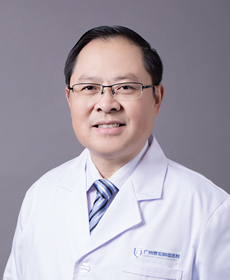
Dr. Chao-Nan (Miles) QIAN
Professor and President, Guangzhou Concord Cancer Center
Dr. QIAN obtained his Bachelor of Medicine and Ph.D. from Sun Yat-sen University of Medical Sciences, P.R. China, in 1992 and 1999, respectively. His postdoctoral training took place at the University of Texas MD Anderson Cancer Center and the Van Andel Research Institute in Michigan. He was appointed as a Research Scientist at the Van Andel Research Institute in 2004 and as Deputy Director of the Laboratory of Translational Cancer Research at the National Cancer Centre Singapore in 2007. He then rejoined Sun Yat-sen University Cancer Center (SYSUCC) as a Professor in June 2007, served as Assistant to the President of SYSUCC in 2008, and was Vice President of SYSUCC from 2013 to 2019. In March 2019, Professor QIAN was appointed President of Guangzhou Concord Cancer Center. Dr. QIAN was listed among the World's Top 2% Most-Cited Scientists in 2023–2024.
Dr. QIAN is the founding chairperson of the CACA Tumor Microenvironment Committee, Vice Chairperson of the CSCO Committee on Vascular Targeted Therapy, and Vice Chairperson of the CACA Committee on Journal Publishing. Specializing in the diagnosis and treatment of nasopharyngeal carcinoma, Dr. QIAN has research interests in novel radiotherapy technology, the molecular mechanisms of cancer metastasis, and the development of new anti-cancer drugs.
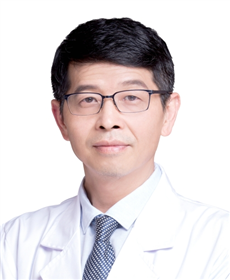
Shen FU
M.D., Ph.D., Professor
Chief radiation oncologist,director of proton research center of Concord Medical Group
Vice President of Guangzhou & Shanghai Concord Cancer Center
Ph.D., Fudan University Shanghai Cancer Center (1993). Clinical experience at Johns Hopkins Hospital (1996-2004), Fox Chase Cancer Center, and MD Anderson Cancer Center (2018).
Served previously as Chair of Radiation Oncology Department at the Shanghai Proton and Heavy Ion Hospital and Deputy Chair of Radiation Oncology at Fudan University Shanghai Cancer Center, Associate Director of Key Laboratory of Nuclear Physics and Ion-beam Application of Fudan University .
Serving as the Director of the National Key Laboratory of Radiation Medicine and Radiation Protection/Soochow University Proton and Heavy Ion Center, Vice Chair of the Society of Ion therapy of China Association of Medical Equipment, & the Society of Tumor Microenvironment of China Anti-Cancer Association, etc.
With over 30 years of clinical experience and translational research in radiation oncology, especially in proton and heavy ion therapy, Dr.FU, as one of members, supported the national to compose the governing principles of proton and heavy ion therapy and guidelines of radiotherapy.
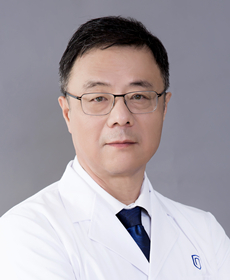
Zuofeng LI
Chief Proton Physicist of Concord Medical Group
Director of Physics at Center
Professor
Received DSc degree in 1989 from the Department of Systems Science and Mathematics at Washington University in St. Louis, USA.
Conducted postdoctoral research in medical physics at the Department of Radiation Oncology, Washington University School of Medicine (1989–1993).
Former Professor of Radiation Oncology (UF Health) and Director of Medical Physics (UFPTI); Held leadership roles in AAPM including Vice Chair of the Radiation Therapy Physics Committee.
Currently serving as Co-Chair of the Imaging Committee of PTCOG, Member of the PTCOG Gynecologic Ion Radiotherapy Committee, Editorial Board Member of the International Journal of Particle Therapy, and Editorial Board Member of the Journal of Radiation Safety and Medicine.
Holds multiple certifications, including Fellow of the American Association of Physicists in Medicine (AAPM), Certified Medical Physicist by the American Board of Physicists in Medicine, and Authorized Medical Physicist by the U.S. National Energy Administration.
Contributed to the development of radiotherapy standards and guidelines for both Chinese and American medical physics societies and is internationally recognized as a leading expert in radiotherapy physics.
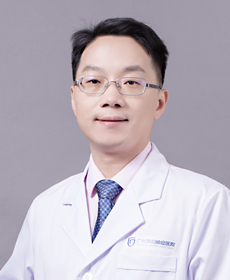
Taize YUAN
Director of Radiation Oncology Department of Guangzhou Concord Cancer Center
Chief Physician
Dr. YUAN earned a Ph.D. from Sun Yat-sen University in 2008 and completed visiting fellowships at the University of Florida Proton Therapy Center (2015-2016), the University of Iowa Cancer Center, and Mayo Clinic in Rochester, Minnesota (2019-2020).
Dr. YUAN currently serves as Council Member of the Second Youth Council of the Chinese Anti-Cancer Association, Chairman of the Tumor Radiotherapy Committee of the Guangdong Society of Organ Medicine and Technology, Vice Chairman of the Tumor Medicine Management Branch of the Guangdong Medical Industry Association, Vice Chairman of the Radiation Oncology Branch of the Guangzhou Medical Association, Standing Committee Member of the Ion Radiotherapy Branch of the China Medical Equipment Association, and Member of the Particle Therapy Committee of the Chinese Anti-Cancer Association.
With over 20 years of experience in cancer radiotherapy, he specializes in intensity-modulated radiotherapy (IMRT/VMAT), stereotactic radiotherapy (SBRT/SRS), and proton therapy for malignancies such as nasopharyngeal carcinoma, head and neck cancers, central nervous system tumors, and thoracic cancers.