
A One-in-a-Million Diagnosis, Treated with Millimeter Precision
Since mid-March, on weekdays, Rafi (a pseudonym), a young man from Indonesia, has been visiting Guangzhou Concord Cancer Center for proton therapy. Each session lasts around twenty minutes.After treatment, he and his wife often take short walks along a nearby park path, using the time to unwind and step away from the treatment routine.
“In many ways, life here is very simple. Almost everything can be handled on a phone, which makes things very convenient,” Rafi said.He also noted that the efficient and supportive environment in Guangzhou has helped make the treatment journey smoother and more predictable.For the couple, this journey is not only about treatment, but also about supporting each other through a difficult phase of life.
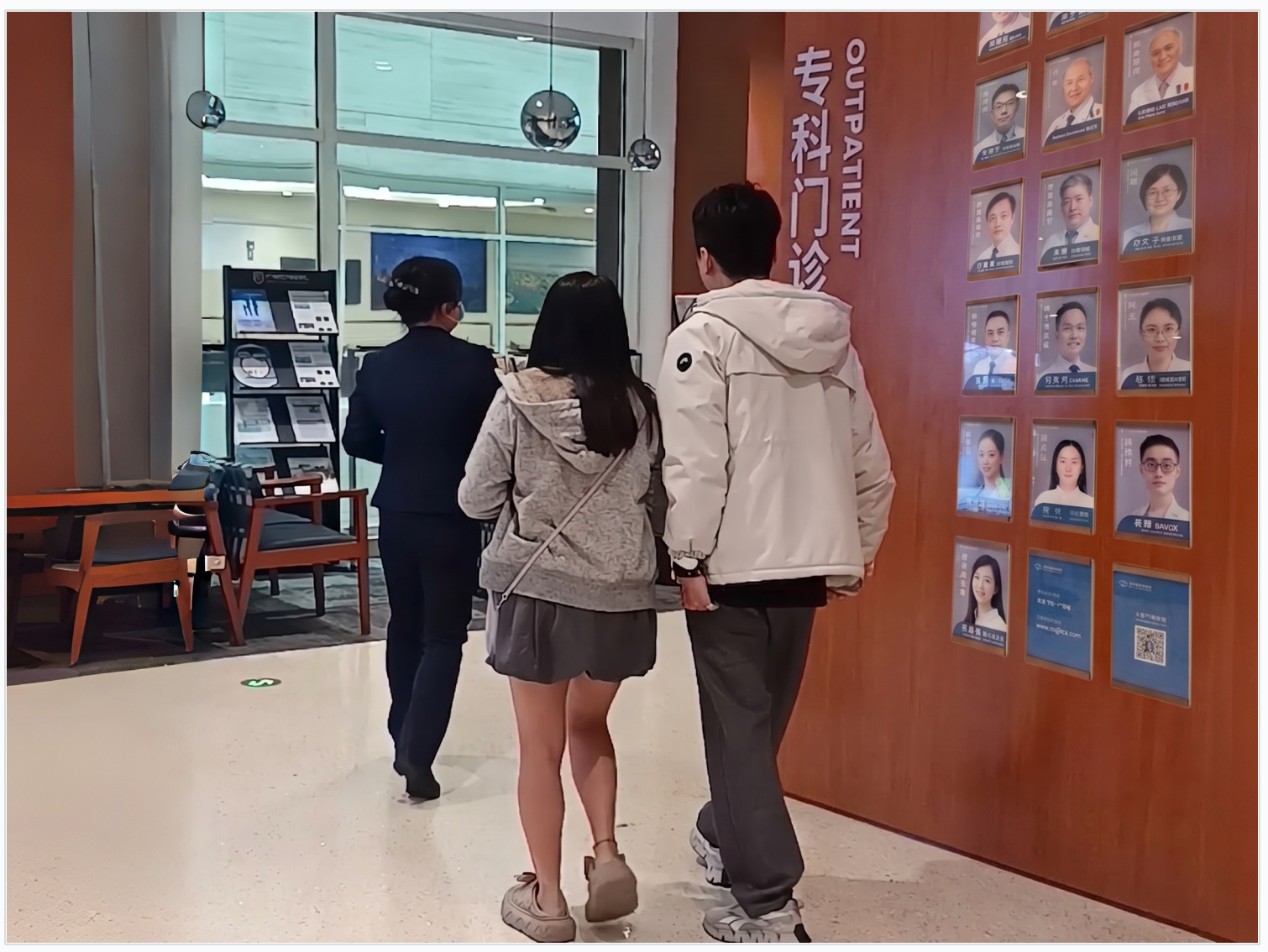
Rafi’s appearance gives little indication of the serious medical event he experienced only months ago.
On Christmas Eve in 2025, he suddenly developed severe back pain and was unable to stand. He was rushed to hospital by ambulance.Examinations revealed a rare tumor with an incidence of approximately one in a million: chordoma.After initial treatment in Indonesia, he and his wife traveled to Penang, Malaysia, for further medical consultation.However, the recommendation they received involved surgery that could require partial removal of the coccyx, with potential long-term functional consequences.
“That wasn’t the direction we wanted to take,” Rafi said.

Rafi's treatment plan will be dynamically adjusted; the doctors are currently consulting with him and his wife.
During further consultations, proton therapy gradually emerged as a potential treatment option.Chordoma is relatively resistant to conventional radiotherapy, especially when located near critical structures such as the spinal cord.Conventional radiotherapy often faces a key challenge: delivering an effective tumor dose while protecting surrounding healthy tissue.
Proton therapy, using the physical principle of the Bragg Peak, allows radiation to be precisely delivered to the tumor while significantly reducing exposure to surrounding organs.This level of precision is particularly important for tumors located near the spine, where even millimeter-level differences can be critical for preserving neurological function.However, at that time, neither Indonesia nor Malaysia had access to proton therapy facilities.
This led the family to explore treatment options across several countries, including India, Japan, Singapore, and China.
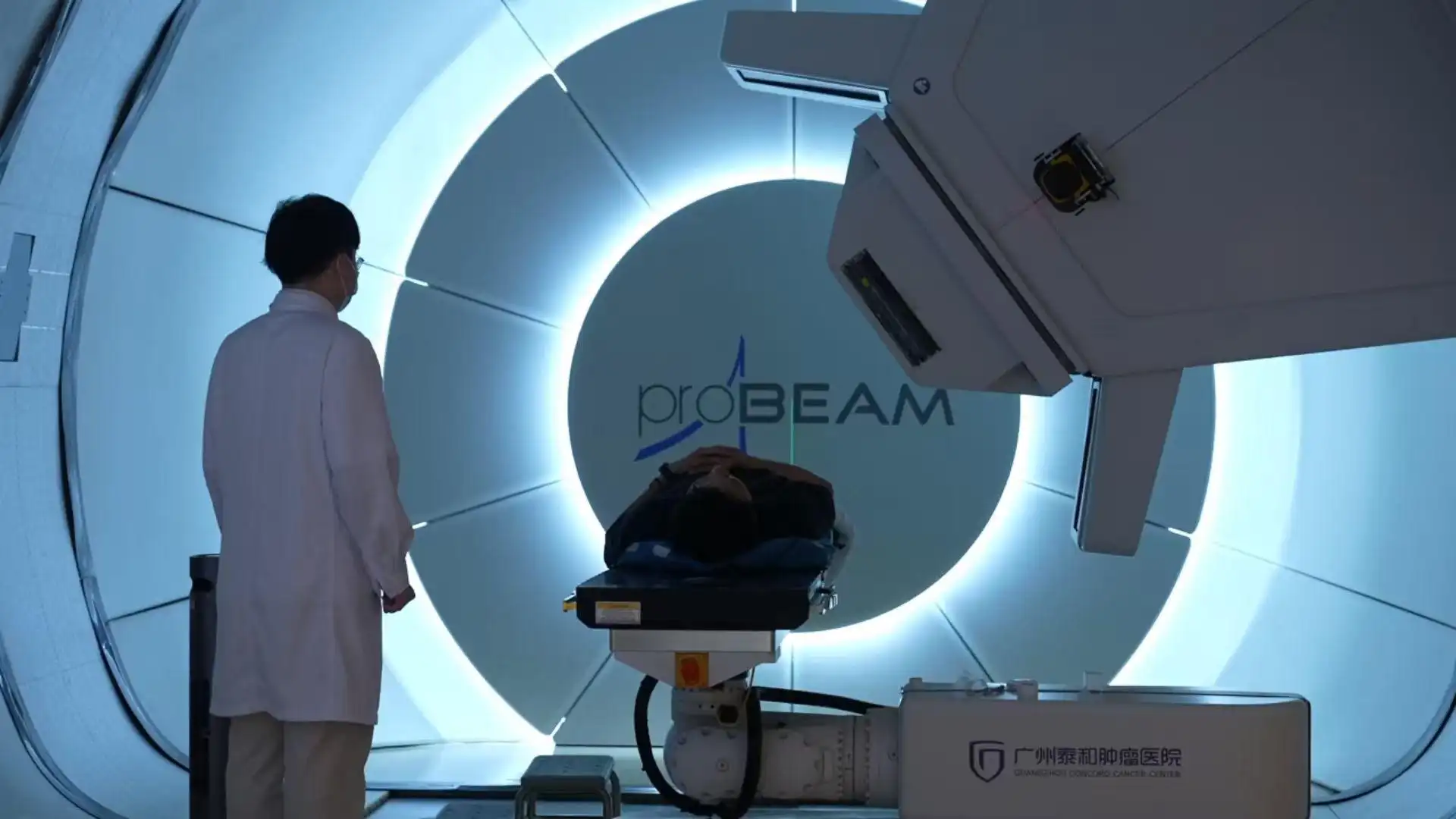
Rafi is undergoing proton therapy, with each session lasting approximately 20 minutes.
“Ultimately, we chose Guangzhou Concord Cancer Center for three reasons,” Rafi said.
“First, its reputation in cancer care. Second, the cost compared to Singapore. Third, my wife felt comfortable in Guangzhou.”
He added that the hospital’s response was fast and the coordination process was smooth. From the first inquiry on the hospital’s website to confirmation of treatment suitability, the process took only three to four days.
“When we arrived late at night, staff were already waiting at the airport, which made us feel reassured after a long journey.”
He still remembers that their first arrival in Guangzhou was around 10 p.m., and everything—from airport pickup to initial communication—had already been arranged in advance.
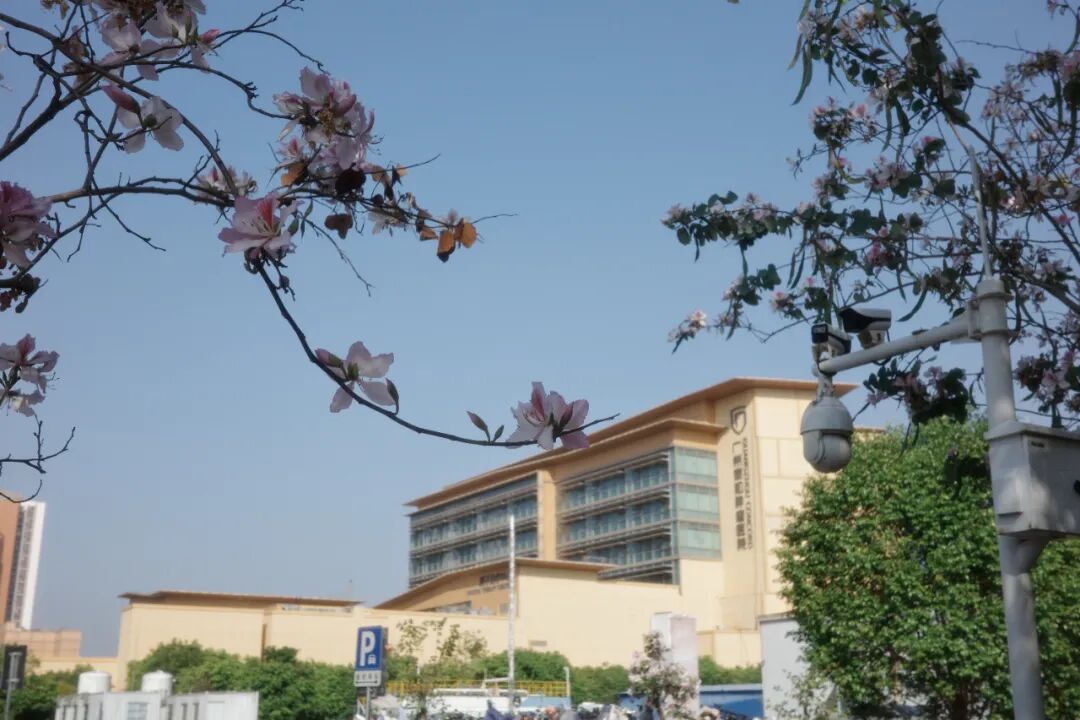
After evaluation, the medical team recommended a combined approach: surgery followed by proton therapy.
Given the tumor size of approximately 10 cm, surgery was performed first to achieve maximal safe removal while preserving neurological function.
Postoperative proton therapy was then planned to target any microscopic residual disease and reduce recurrence risk.
This integrated approach aims to balance tumor control with long-term quality of life.
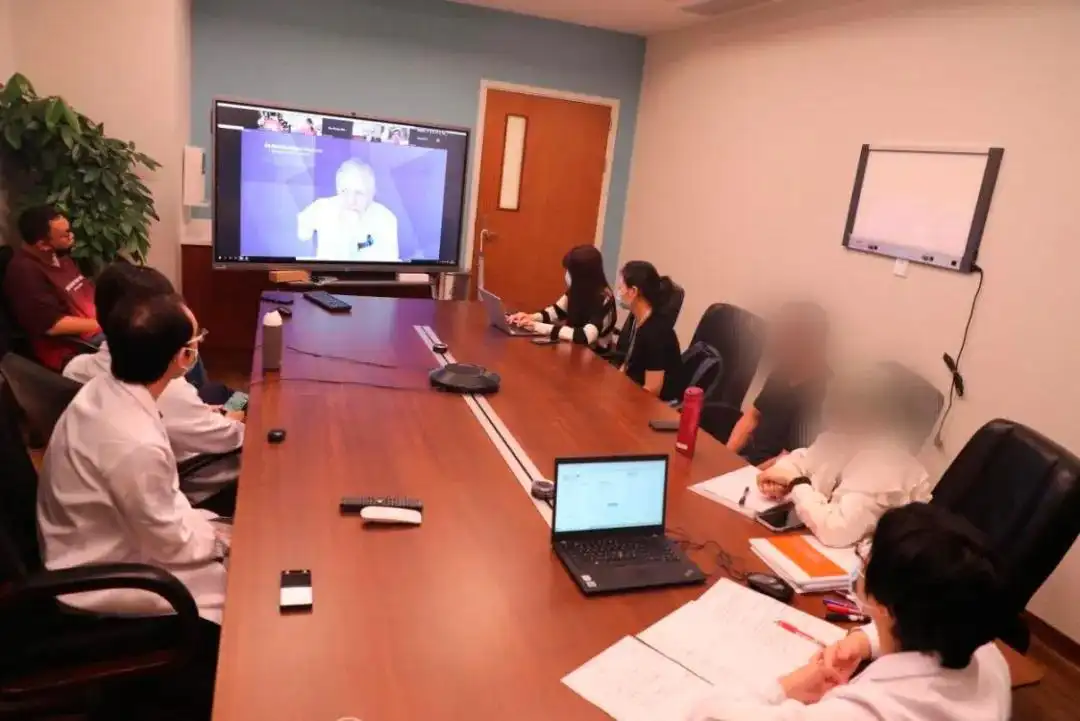
The hospital has launched an international remote consultation service to provide patients with cutting-edge diagnostic and treatment recommendations from the global forefront of medicine.
In January 2026, Rafi successfully underwent tumor resection surgery.
“The surgery went well, and the tumor was completely removed,” he said.
He later returned to Guangzhou Concord Cancer Center in February for postoperative evaluation.
Dr. Yuan Taize from the Radiation Oncology Department explained the next step:
“At this stage, there is no visible tumor. The goal of radiotherapy is prevention. Proton therapy allows precise targeting of the tumor bed while protecting surrounding organs such as the heart and lungs.”
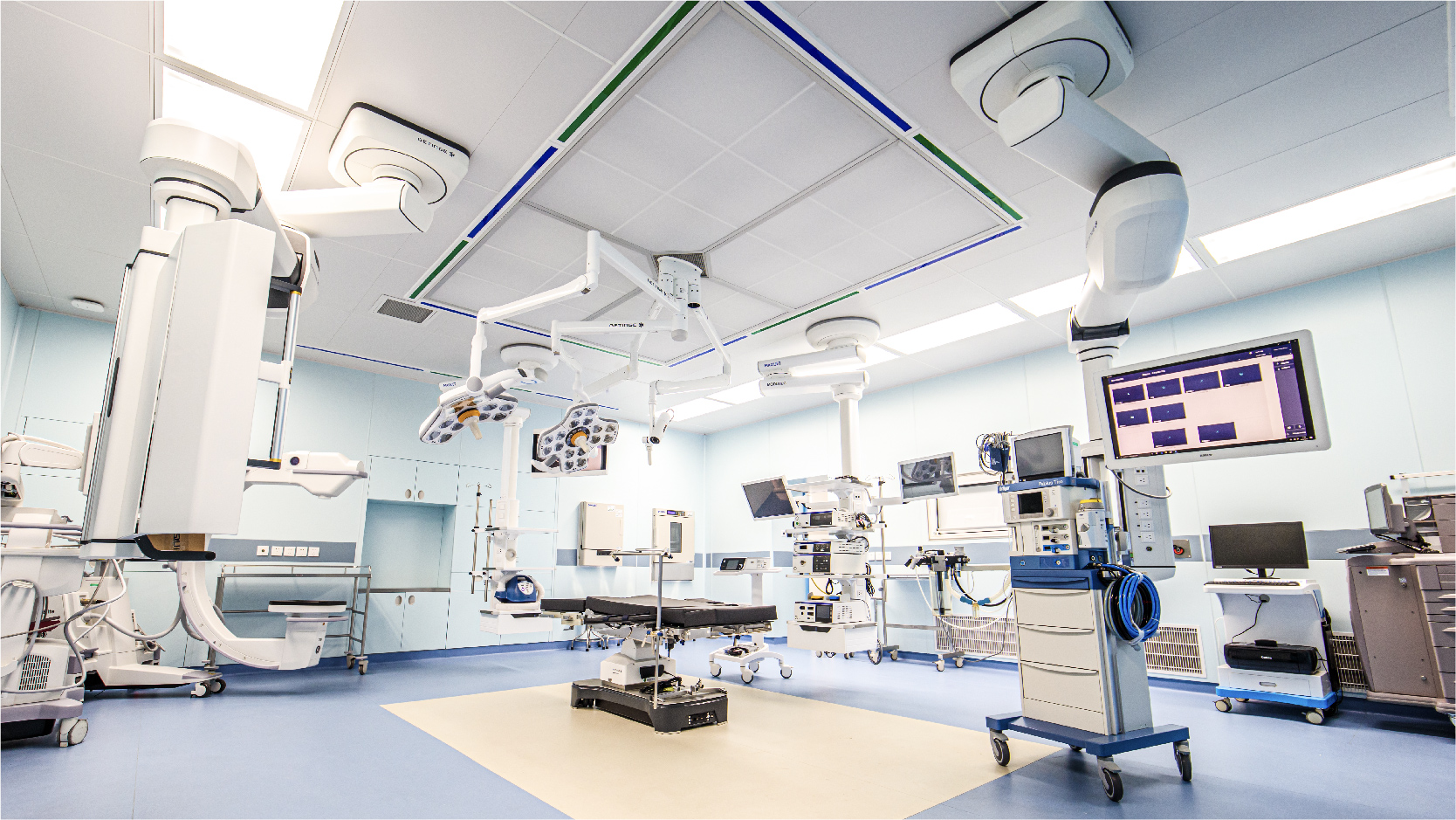
Rafi’s treatment is currently progressing steadily.
“What stands out most is how the medical team treats me,” he said. “They don’t see me only as a patient.”
Outside the hospital, the couple maintains a simple daily routine in Guangzhou.
They often take the metro across the city, crossing the Pearl River and exploring different districts.
They walk through Beijing Road and occasionally stop at historical sites such as the Bruce Lee ancestral residence.
These everyday experiences have become meaningful parts of their recovery journey.

In between his treatments, Rafi and his wife strolled leisurely through the streets and alleys of Guangzhou, visiting numerous famous landmarks.
For Patients Seeking Treatment Options
If you are searching for chordoma treatment options or considering proton therapy in China, our International Patient Services team is here to help.
We provide fast medical consultations—often within 3 to 4 days—along with personalized treatment planning for international patients.
Contact us today to request a medical review or learn more about proton therapy for chordoma.